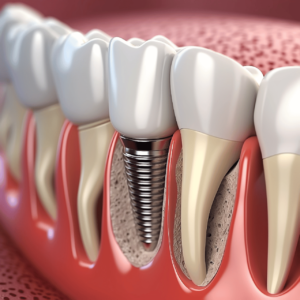
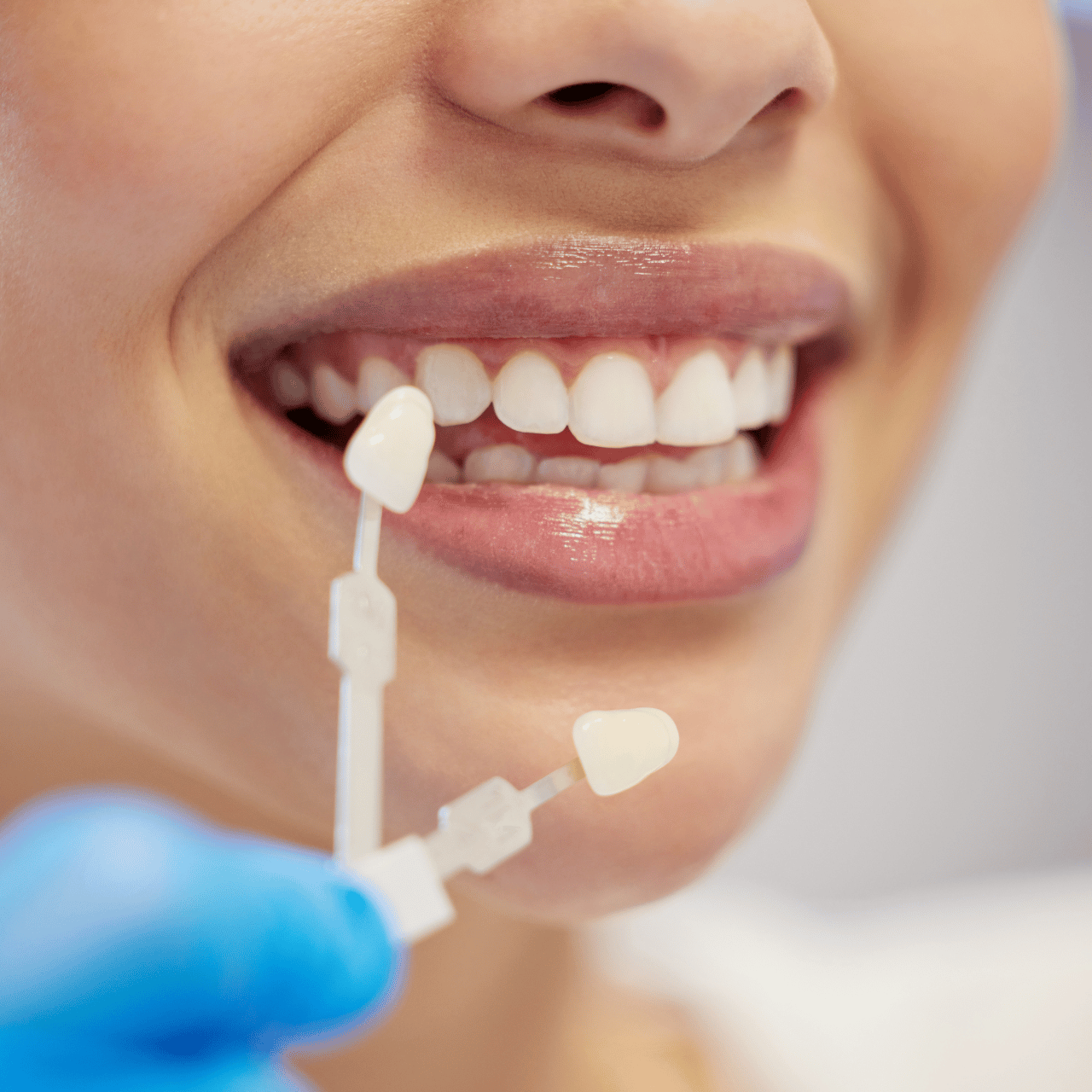
If you’ve ever envied someone’s flawless smile, chances are dental veneers might be behind it. Dental veneers are one of the most effective cosmetic dental solutions for transforming the appearance of your teeth, giving you a natural-looking, radiant smile. This blog will guide you through everything you need to know about veneers, their benefits, types, procedure, and more.
What Are Dental Veneers?
Dental veneers are thin, custom-made shells of tooth-colored material that are bonded to the front surface of your teeth. They are designed to improve the shape, size, color, and overall appearance of your teeth. Veneers are particularly popular for addressing issues like discoloration, chips, cracks, or gaps between teeth.
Why Choose Veneers?
Dental veneers offer numerous benefits that make them a sought-after cosmetic solution:
- Aesthetic Appeal
Veneers can instantly improve the appearance of your teeth, creating a brighter and more symmetrical smile. - Natural Look and Feel
Custom-designed to match the shape and color of your teeth, veneers blend seamlessly for a natural appearance. - Durability
Veneers are long-lasting and resistant to staining, making them a reliable option for maintaining a bright smile. - Minimally Invasive
The process typically requires minimal removal of enamel compared to other procedures like crowns. - Boosts Confidence
A beautiful smile can enhance your self-esteem, making social and professional interactions more comfortable.
Who Is a Good Candidate for Veneers?
Veneers are an excellent choice for people who:
- Have stained or discolored teeth that don’t respond to whitening treatments
- Have chipped, cracked, or worn-down teeth
- Have slightly misaligned or unevenly shaped teeth
- Want to close small gaps between teeth
- Are in good oral health and have sufficient enamel for bonding
Types of Dental Veneers
There are two main types of veneers, each with its unique advantages:
- Porcelain Veneers
- Made from high-quality ceramic material
- Durable and stain-resistant
- Provide a more natural appearance
- Typically last 10–15 years with proper care
- Composite Resin Veneers
- Made from tooth-colored resin material
- Less expensive than porcelain veneers
- Quicker to apply (sometimes completed in one visit)
- Typically last 5–7 years
The Veneer Placement Process
Getting veneers is a straightforward process that usually requires two or three visits to the dentist:
- Initial Consultation
- The dentist evaluates your oral health and discusses your goals.
- X-rays and impressions of your teeth may be taken to create a treatment plan.
- Preparation
- A small amount of enamel (usually less than 0.5 mm) is removed from the front of the teeth to make space for the veneers.
- Impressions are taken and sent to a lab for custom veneer fabrication (this can take 1–2 weeks).
- Temporary veneers may be placed to protect your teeth in the meantime.
- Placement
- The dentist cleans and prepares your teeth.
- The veneers are bonded using a strong adhesive and cured with a special light.
- Adjustments are made to ensure a perfect fit and bite alignment.
Aftercare Tips for Veneers
Caring for veneers is simple and similar to maintaining your natural teeth:
- Maintain Good Oral Hygiene
Brush twice daily, floss regularly, and use a non-abrasive toothpaste to protect the veneers. - Avoid Hard Foods
Refrain from biting into hard objects like ice or pens to prevent chipping. - Limit Staining Foods and Drinks
While porcelain veneers resist stains, composite veneers can discolor over time. Minimize consumption of coffee, tea, red wine, and tobacco. - Wear a Mouthguard
If you grind your teeth at night, wear a protective mouthguard to prevent damage. - Regular Dental Visits
Schedule regular checkups and cleanings to monitor your veneers and overall oral health.
How Long Do Veneers Last?
The lifespan of veneers depends on the material used and how well they’re cared for:
- Porcelain veneers: 10–15 years
- Composite veneers: 5–7 years
Proper oral hygiene and regular dental checkups can help extend their lifespan.