
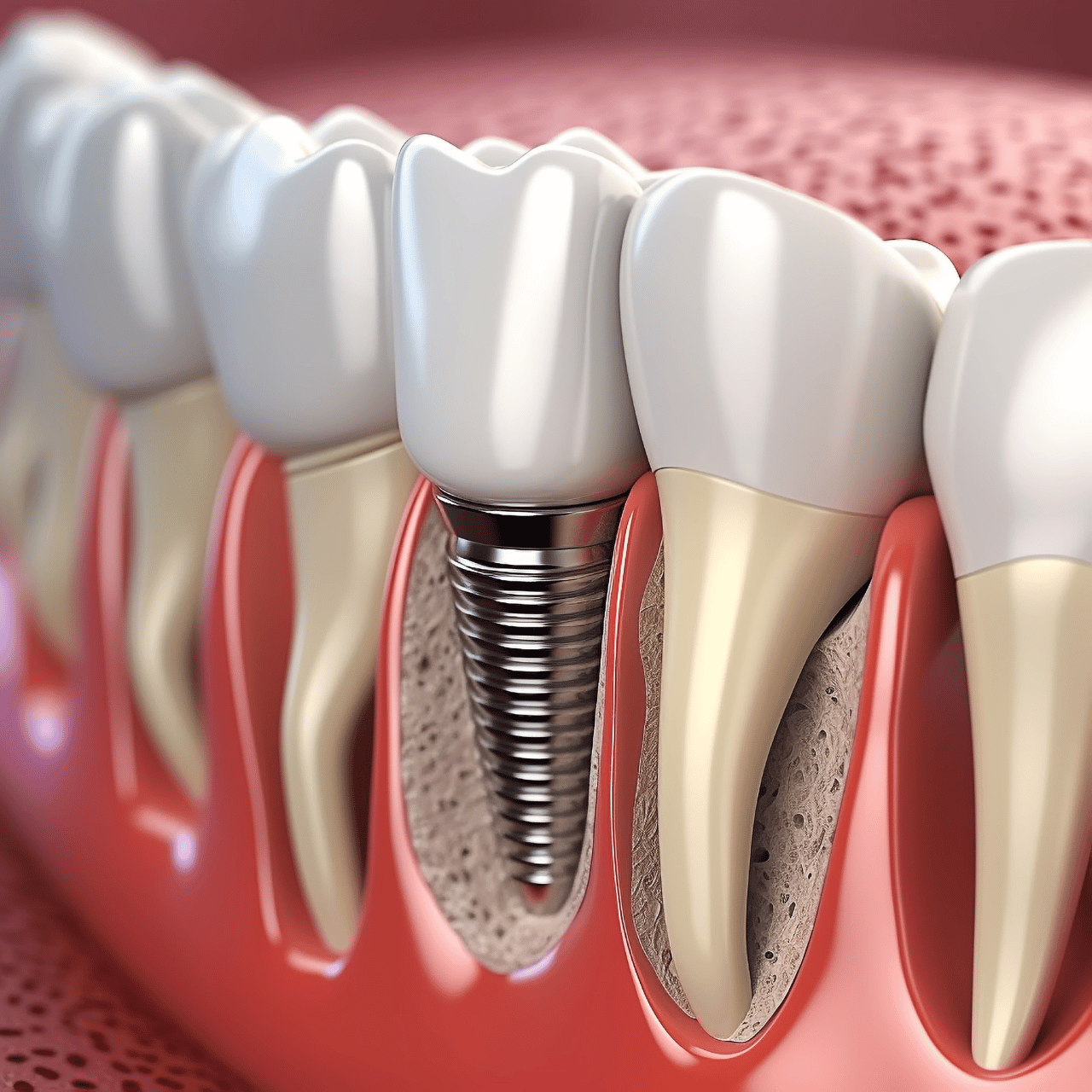
Dental implants have become one of the most popular and effective solutions for replacing missing teeth. They not only restore your smile but also improve your oral health, functionality, and confidence. In this blog, we’ll dive deep into what dental implants are, their benefits, the procedure, aftercare, and everything in between.
What Are Dental Implants?
Dental implants are artificial tooth roots made of biocompatible materials, such as titanium. They are surgically placed into the jawbone to provide a stable foundation for replacement teeth like crowns, bridges, or dentures. Implants mimic the structure of natural teeth and integrate with the bone through a process called osseointegration.
Why Choose Dental Implants?
Dental implants offer several advantages over other tooth replacement options like dentures and bridges:
- Durability and Longevity
Implants are designed to last a lifetime with proper care, making them a cost-effective solution in the long run. - Natural Look and Feel
Implants look, feel, and function like natural teeth, providing a seamless blend with your existing teeth. - Improved Oral Health
Unlike traditional bridges, implants do not require the alteration of adjacent teeth, preserving the natural tooth structure. - Bone Preservation
Implants stimulate the jawbone, preventing bone loss that typically occurs after losing a tooth. - Enhanced Comfort and Functionality
Say goodbye to the discomfort and slipping of dentures. Implants provide a stable bite and restore chewing efficiency. - Boosted Confidence
With a beautiful, natural-looking smile, you’ll feel more confident in social and professional settings.
Types of Dental Implants
There are various types of dental implants to suit different needs:
- Endosteal Implants
These are the most common type, inserted directly into the jawbone. They are ideal for patients with sufficient healthy bone. - Subperiosteal Implants
Placed under the gum but above the jawbone, these are suitable for patients with insufficient bone who cannot undergo bone augmentation. - Zygomatic Implants
Used in cases where the jawbone is severely compromised, these implants are anchored in the cheekbone. - Mini Dental Implants (MDIs)
Smaller in size, MDIs are used for stabilizing dentures and in areas with less space.
The Dental Implant Procedure
Getting a dental implant involves several steps over a few months:
- Initial Consultation
Your dentist will assess your oral health, take X-rays or CT scans, and discuss the treatment plan. - Preparatory Procedures (if necessary)
- Bone Grafting: For patients with insufficient jawbone density.
- Tooth Extraction: If the damaged tooth needs to be removed.
- Implant Placement Surgery
The implant is surgically placed into the jawbone under local or general anesthesia. Healing time is usually 3–6 months as the implant integrates with the bone. - Abutment Placement
Once the implant has fused with the bone, an abutment (connector) is attached to the implant. - Crown Placement
A custom-made crown is affixed to the abutment, completing the process.
Who Is a Candidate for Dental Implants?
Dental implants are suitable for most adults with good oral and overall health. However, some factors may affect eligibility:
- Sufficient jawbone density (or willingness to undergo bone grafting)
- Healthy gums, free of periodontal disease
- Non-smokers (smoking can impair healing)
- No uncontrolled chronic conditions like diabetes or heart disease
Aftercare Tips for Dental Implants
Proper care ensures the longevity and success of your dental implants:
- Maintain Good Oral Hygiene
Brush twice daily and floss around the implant to prevent plaque buildup. - Avoid Hard Foods
During the healing phase, avoid chewing on hard or sticky foods. - Regular Dental Checkups
Visit your dentist regularly for cleanings and checkups to monitor the implant’s condition. - Quit Smoking
Smoking can hinder the healing process and increase the risk of implant failure. - Use a Soft-Bristled Toothbrush
This helps protect the crown and surrounding gums.
Potential Risks and Complications
While dental implants have a high success rate (95% or more), complications can occasionally arise:
- Infection at the implant site
- Implant failure due to poor osseointegration
- Nerve damage causing numbness or tingling
- Sinus issues in upper jaw implants
These risks are minimized by choosing a qualified and experienced dental professional.
Cost of Dental Implants
The cost of dental implants varies based on several factors, including location, the number of implants, and any additional procedures like bone grafting. On average:
- Single implant: $3,000–$6,000
- Full arch (all-on-4 implants): $15,000–$30,000
Many dental offices offer financing options to make implants more affordable.
FAQs About Dental Implants
- Do dental implants hurt?
The procedure is typically performed under anesthesia, so pain is minimal. Mild discomfort may occur during the healing process. - How long do dental implants last?
With proper care, dental implants can last a lifetime. - Can implants replace multiple teeth?
Yes, implants can support crowns, bridges, or even full dentures. - Are dental implants safe?
Dental implants are a safe and well-established treatment when performed by a qualified dentist.